I always know spring has arrived in Albany before the calendar does. It starts on the walk down Barry Court, when the first pink and white starts to show in the heath along the dunes, and within a fortnight the whole edge of Middleton Beach is quietly in flower. By the middle of September the granite slopes of the Porongurup are dotted with orchids, and the Stirling Range, an hour and a half up the road, is putting on one of the great wildflower shows in the country. If you have ever wanted to see Western Australia's spring properly, without the long drives of the Wheatbelt loop, this is the guide.
It is written for walkers, photographers and anyone who has typed "Albany wildflowers", "Stirling Range wildflower season" or "where to see wildflowers near Albany" and wanted an honest, local answer. You do not need a four wheel drive, a botanist's eye or a week off work. You need a comfortable base a short stroll from the beach, a few good mornings, and an idea of where to point the car.
When is wildflower season in Albany?
Wildflower season on the south coast runs from roughly September to November, and it is later and longer here than it is further north in the state. Western Australia's spring moves south with the warmth, so by the time the Wheatbelt is finishing, the Great Southern is getting into its stride. The coastal heath and the Porongurup usually peak from mid September into October; the higher slopes of the Stirling Range hold their colour well into November, and a cool wet winter, which Albany usually gets, tends to make for a better show.
Two things make Albany a particularly good place to see it. The first is variety: within an hour of the Villa you move from coastal heath to granite woodland to a mountain range with more than 1,500 plant species, dozens of which grow nowhere else on earth. The second is that the season overlaps with the tail of whale watching in King George Sound, so a spring stay can hold both. I wrote a separate guide to whale watching season in Albany if you want to line the two up.
Wildflowers are protected on all public land in Western Australia. Look, photograph and enjoy them, but never pick them. Stay on the tracks in the national parks, because trampling the heath does more damage than most visitors realise, and check the Explore Parks WA site for current park entry fees and any trail closures before you set out.
The coastal heath within walking distance
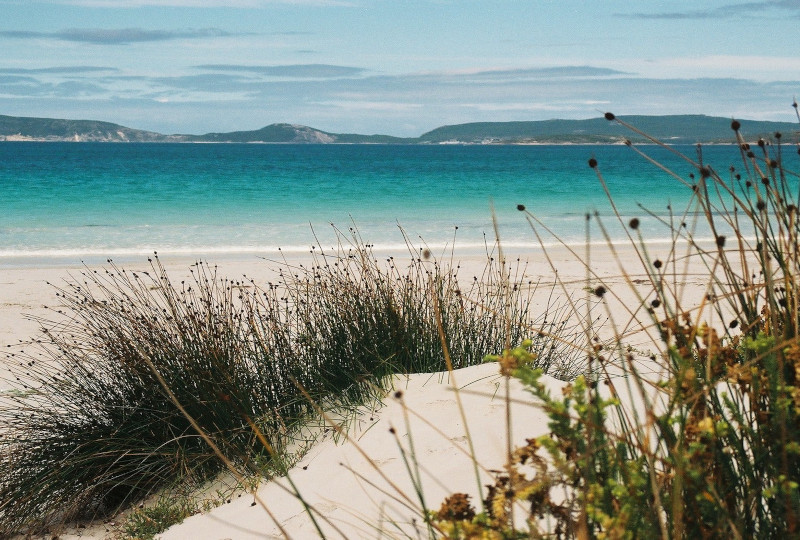
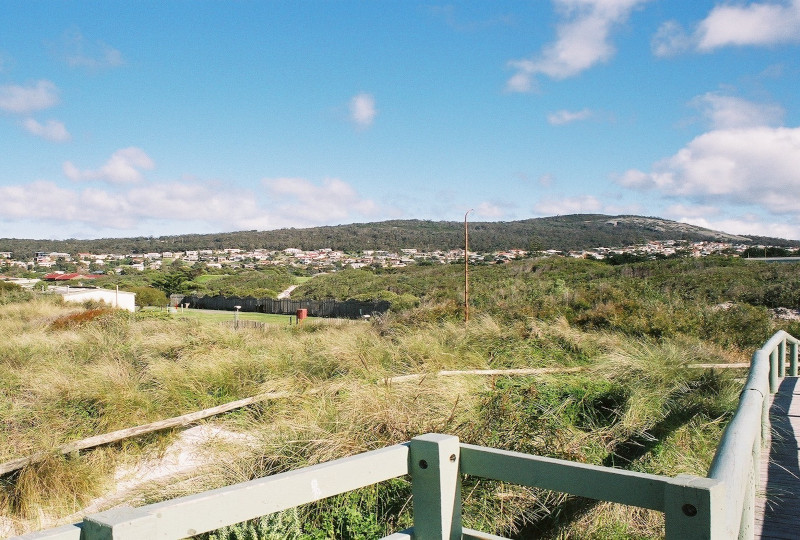
The first wildflowers of a stay at Ocean Mist Villa are about 100 metres from the front door. The dunes and heath along Middleton Beach and the shared path toward Emu Point carry a surprising amount of colour in spring: coastal pigface in hot pink across the sand, the yellow of the coastal wattles, white and cream heath flowers, and the occasional patch of native peas in orange and brown. It is not a national park display, but it is the easiest wildflower walk in Albany and the best way to spend the first evening.
Walk it from the Villa toward Emu Point in the late afternoon, when the light comes across King George Sound from the west and the heath glows. Allow an hour there and back at a wander, longer if you keep stopping, and finish with a swim at Middleton if the day has been warm enough. The scenic coastal walks guide covers the longer sections if you want to keep going.
Mount Clarence and Mount Adelaide
Rising behind the town, these two granite hills are a ten minute drive from the Villa and are threaded with walking trails through low woodland and heath. In spring the tracks around the National Anzac Centre and the Padre White Lookout are lined with native orchids, boronia and the blue of the native flax lily, with the Sound spread out below. It is a good half morning, and a good place to learn what you are looking at before you head for the bigger parks.
Torndirrup National Park: flowers with a view
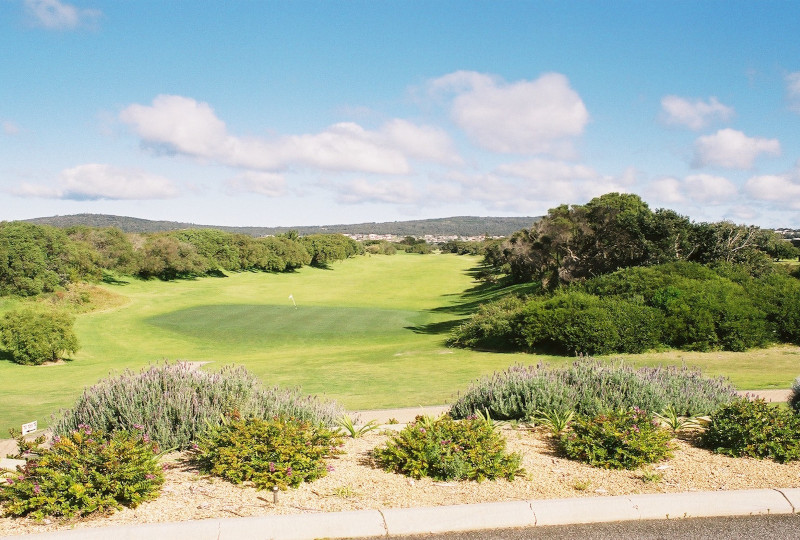
Torndirrup is the park on the peninsula across the harbour, home to The Gap and the Natural Bridge, and in spring its coastal heath is one of the most photogenic wildflower settings on the coast. The drive from the Villa is about 20 to 25 minutes. The heathland around the car parks and along the road to the lookouts is the place to walk slowly: banksias in flower, the bright pink of the mountain pea, coastal daisies and in a good year thick drifts of white and cream that run right down to the granite.
The Stony Hill loop is the best short walk in the park for flowers. It is an easy circuit of under a kilometre with big views over the Southern Ocean, and the low heath around the boardwalk is dense with colour from September. Pair it with a stop at The Gap, which I covered in my first time visitor guide to The Gap, and you have a full morning. Take a windproof layer; it is always cooler out on the peninsula than it is at Middleton Beach.
Porongurup: granite, karri and orchids
The Porongurup Range is about 40 minutes north of the Villa and in spring it is the orchid capital of the region. The karri forest on the lower slopes shelters spider orchids, donkey orchids, cowslip orchids and the tiny greenhoods that you will walk past unless somebody points them out. Higher up, where the granite breaks through, the heath turns to kangaroo paw, banksia and the vivid blue and purple of the native hovea.
The Tree in the Rock walk is a gentle introduction and the Castle Rock trail to the Granite Skywalk is the full experience, a steady climb of about two hours return with the flowers changing as you gain height. I wrote about the Skywalk as a winter walk in Conquer Castle Rock; in spring it is a different mountain, warmer and far more colourful. The Porongurup wineries at the base of the range are an obvious lunch, and the view from a cellar door across the paddocks to the Stirling Range on a clear spring day is worth the drive on its own.
The Stirling Range and the mountain bells
If you only make one wildflower day trip from Albany, make it this one. The Stirling Range National Park is about 90 minutes north of the Villa and is one of the richest plant communities in the world: more than 1,500 species in a single range, including the mountain bells, the darwinias, that grow on these peaks and nowhere else. Several species are confined to a single mountain. Standing on the Bluff Knoll track in October with bells, orchids and banksia all in flower around you is a genuinely rare thing to be able to do on a day trip from a beachside villa.
You do not need to climb Bluff Knoll to see the flowers, although the summit walk, about six kilometres return and three to four hours for most walkers, is the classic. The Stirling Range Drive, the unsealed road that runs through the middle of the park, delivers heath and wildflowers from the car window and from a dozen easy pull-ins, and the short walks near the Bluff Knoll car park are enough for most families. Take water, food and a full tank, because there are no services in the park, and start early: the range makes its own weather and the afternoon cloud often rolls in over the tops.
What to look for
- Mountain bells (Darwinia species): the Stirling Range specialities, nodding bell shaped flowers in red, pink, yellow and green, mostly on the higher slopes.
- Orchids: spider, donkey, cowslip, sun and greenhood orchids across the lower woodland, often on the edges of the tracks.
- Banksia and dryandra: dozens of species in yellow, orange and bronze, the reliable backbone of the show.
- Kangaroo paw, both the red and green and the yellow, along the roadsides and on disturbed ground.
- Southern Cross flowers, boronia, hovea and the tiny trigger plants, which move when you touch them.
Make Albany your base
Stay at Ocean Mist Villa
A self-contained beachside villa 100 metres from Middleton Beach, with a private outdoor spa for the end of a long day in the ranges. Book direct for the best rate on a spring stay.
Check AvailabilityTwo Peoples Bay and the eastern coast
East of Albany, about 35 minutes from the Villa, Two Peoples Bay Nature Reserve is one of the quiet stars of the season. The heath behind the beach and along the walk to Little Beach is thick with colour from September, the granite headlands are covered in pigface and coastal daisies, and the reserve is home to some of the rarest animals in the state, including the noisy scrub bird that was thought extinct until it was rediscovered here. Little Beach itself is one of the most photographed beaches in Western Australia and in spring you often have it to yourself before ten in the morning.
On the way, the Kalgan River and the roads out through Nanarup carry roadside wildflowers for most of the drive, and the lookouts along the way over Oyster Harbour are good stops for photographers. My photography guide to Albany has the light and timing notes if that is what you are here for.
How to look for wildflowers
The most common mistake is to drive to a national park, look across a big view, and feel that the flowers must be somewhere else. Most Great Southern wildflowers are small, low and close together, and the way to see them is to get out of the car, walk slowly along the edge of a track and look down. Ten metres of heath can hold twenty species. The second mistake is timing: early morning and late afternoon give softer light and more open flowers, and orchids in particular are easier to spot when the sun is low.
A few practical notes from years of doing this with guests:
- Wear closed shoes and long trousers in the heath; it is scratchy and the ground is uneven.
- Carry water, a hat and sunscreen even in September. The south coast sun is stronger than it feels.
- Take a phone or camera with a decent close-up mode and photograph the whole plant, not just the flower, so you can identify it later.
- Download the Explore Parks WA information before you leave town; mobile coverage drops in the ranges.
- Check what is on in Albany during your stay, because the spring calendar often includes guided wildflower walks and open gardens.
A three day spring wildflower itinerary
This is the plan I suggest to guests who book three nights in September or October. It builds from the easy coastal walks to the big mountain day and keeps every night at the Villa.
| When | The plan |
|---|---|
| Day 1, afternoon | Arrive, settle in, and walk the Middleton Beach heath toward Emu Point in the late light. Dinner at the beach precinct, five minutes away. |
| Day 2, morning | Torndirrup National Park: Stony Hill loop for the flowers, then The Gap and Natural Bridge. Back in town for lunch. |
| Day 2, afternoon | Mount Clarence trails and the National Anzac Centre, then the spa at the Villa as the sun goes down over the Sound. |
| Day 3, all day | Stirling Range National Park. Leave by eight, drive the Stirling Range Drive, walk the lower Bluff Knoll track or the summit if the legs allow, and come home via the Porongurup wineries for a late lunch. |
| Day 4, morning | Two Peoples Bay and Little Beach before check-out, with a coffee at Emu Point on the way home. |
Visiting from Ocean Mist Villa
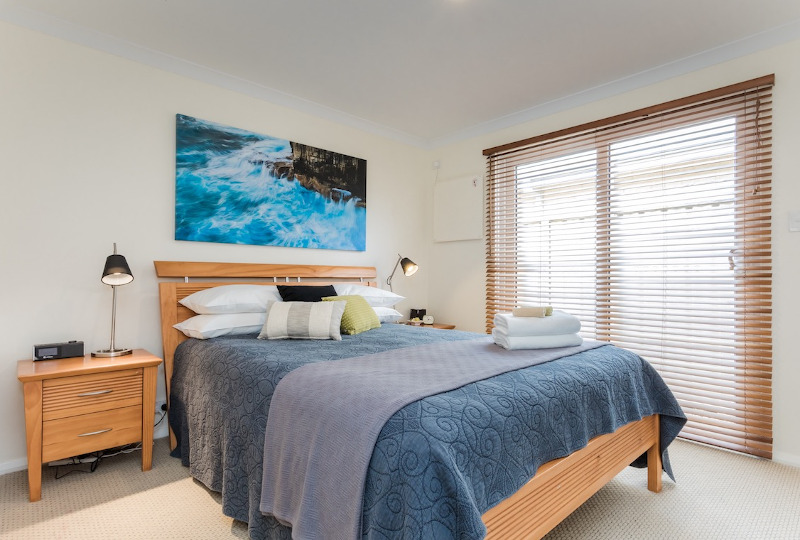
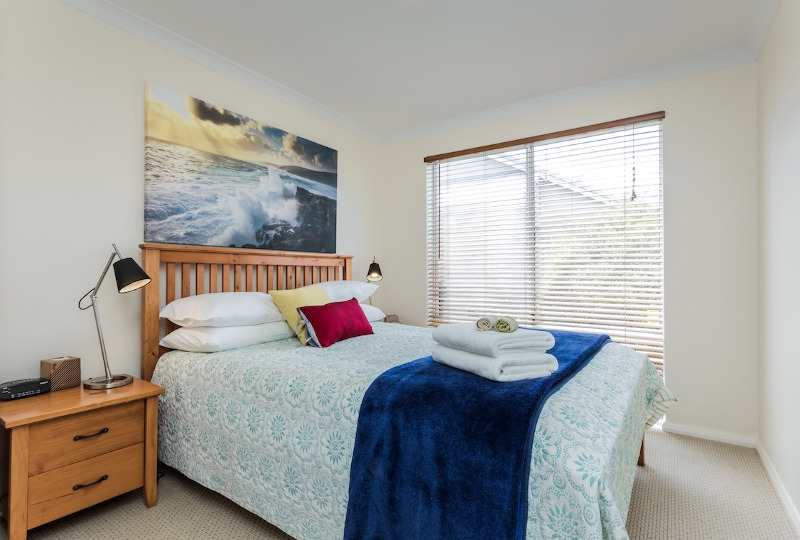
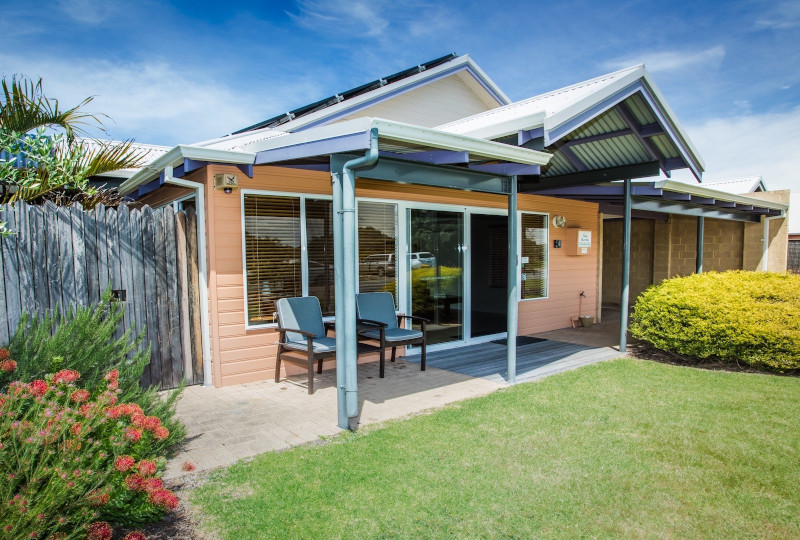
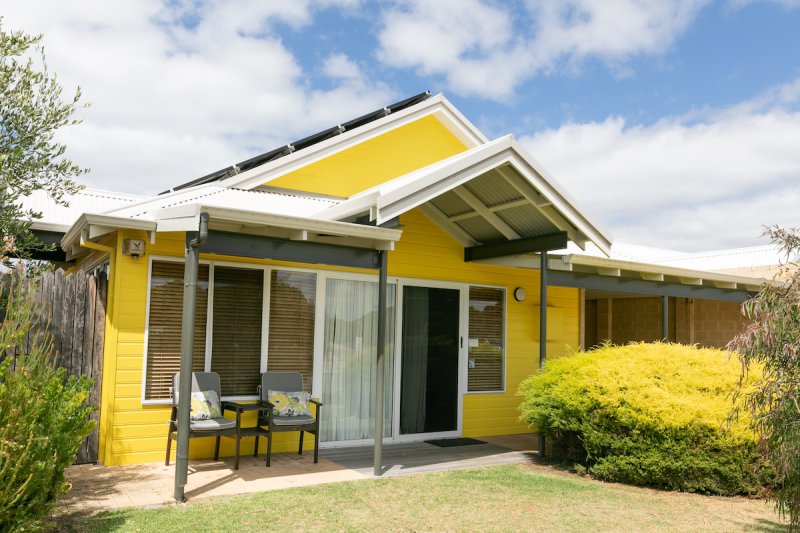
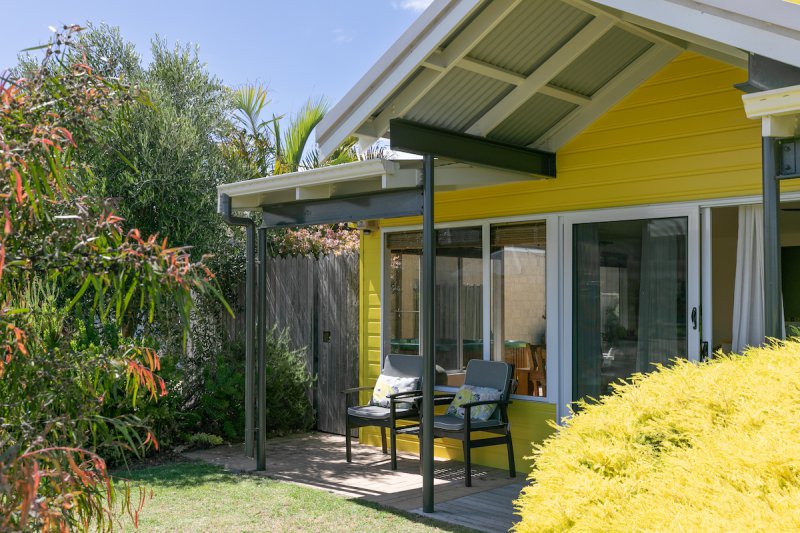
Wildflower days are early starts and long drives, and they are much better when you come home to somewhere that feels like home. Ocean Mist Villa is a fully self-contained Albany accommodation at 24 Barry Court, midway between Middleton Beach and Emu Point, about 100 metres from the sand. There is a full kitchen for the early breakfasts and the picnic packing, a laundry for the dusty trousers, and a private outdoor spa under the stars for the evening after Bluff Knoll.
It also sits in the right place. The Porongurup and the Stirling Range are straight up Chester Pass Road, Torndirrup is across the harbour, and Two Peoples Bay is east along the coast, so every day in this itinerary starts and ends within a short drive of the beach. Most guests who come for the flowers stay three nights; the ones who tell us afterwards that they wish they had stayed longer are usually the photographers. You can see the full list of Albany attractions on our site, and if you would like help planning the days around the weather, get in touch before you arrive.
Plan your Great Southern escape
Book your Albany stay
Spring is short and the best weeks go early. Book direct at Ocean Mist Villa for the best rate, and stay a night longer than you think you need.
Book Your StayFrequently asked questions about Albany wildflowers
When is the best time to see wildflowers near Albany?
From mid September to the end of October is the peak for most of the region, with the coastal heath and the Porongurup flowering first and the higher slopes of the Stirling Range holding colour into November. A cool, wet winter, which Albany usually has, tends to produce a better spring display.
Do I need a four wheel drive to see the wildflowers?
No. Every location in this guide is reachable in a normal car. The Stirling Range Drive is unsealed but well maintained in dry weather, and the Bluff Knoll, Porongurup, Torndirrup and Two Peoples Bay car parks are all on sealed roads. Check road conditions after heavy rain.
How far is the Stirling Range from Ocean Mist Villa?
About 90 minutes by car, straight up Chester Pass Road from Albany. The Porongurup Range is about 40 minutes on the same road, so many guests do the Porongurup on one day and the Stirling Range on another, or combine the two with a winery lunch on the way home.
Are there wildflowers within walking distance of the Villa?
Yes. The coastal heath along Middleton Beach and the shared path toward Emu Point start about 100 metres from the Villa and carry pigface, coastal wattle, native peas and heath flowers from early September. It is the easiest wildflower walk in Albany and a good first evening.
Can I pick wildflowers in Western Australia?
No. Wildflowers are protected on all public land in Western Australia and picking them attracts significant fines. Photograph them, stay on the tracks, and leave them for the next visitor and for the pollinators that depend on them.
End of guide
Ocean Mist Villa · Albany, Western Australia