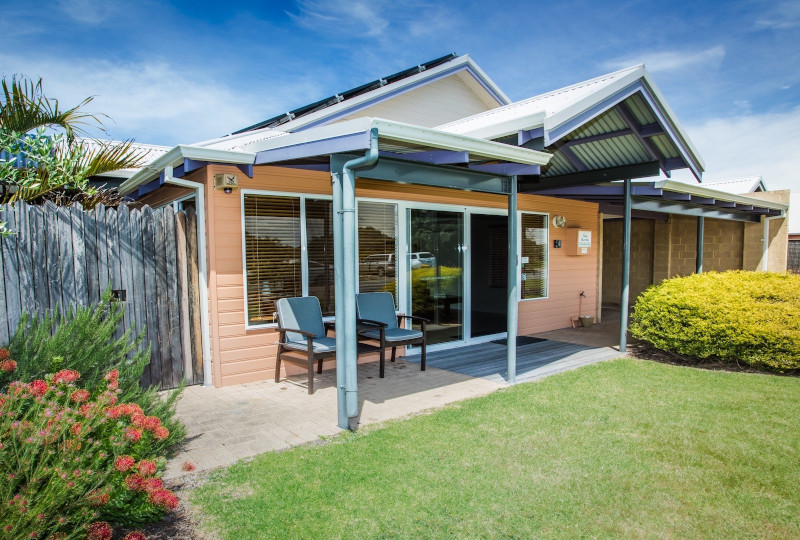
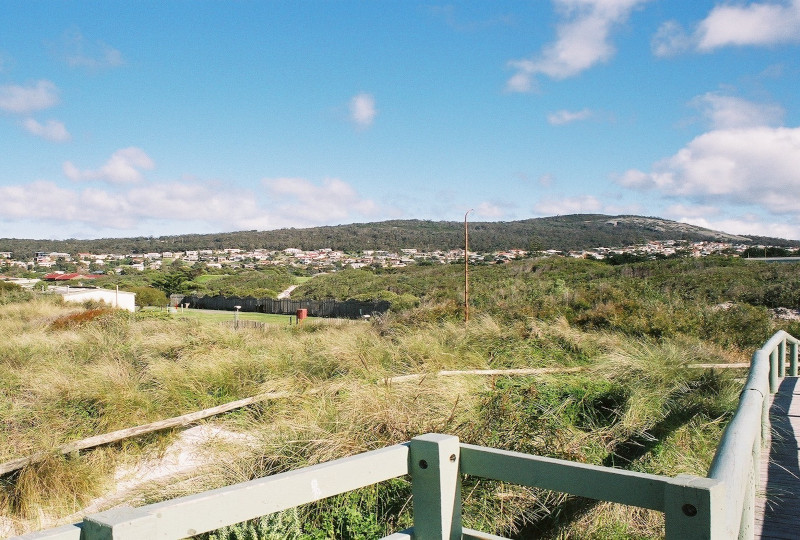
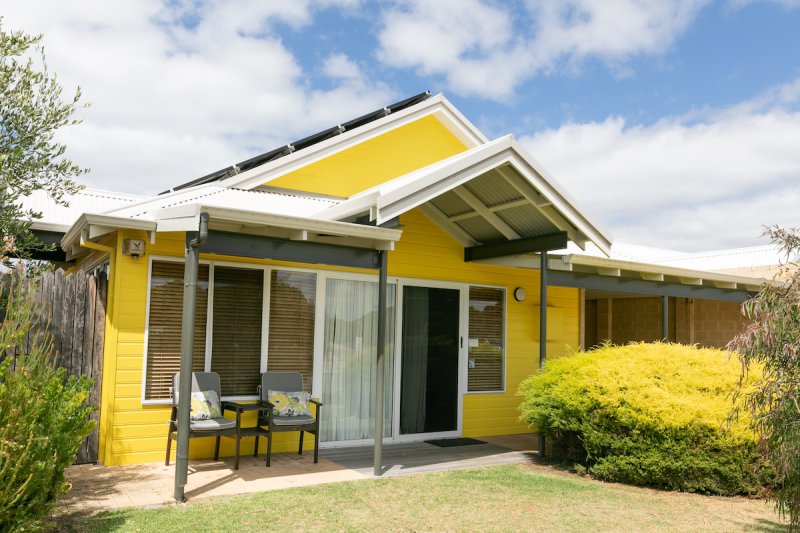
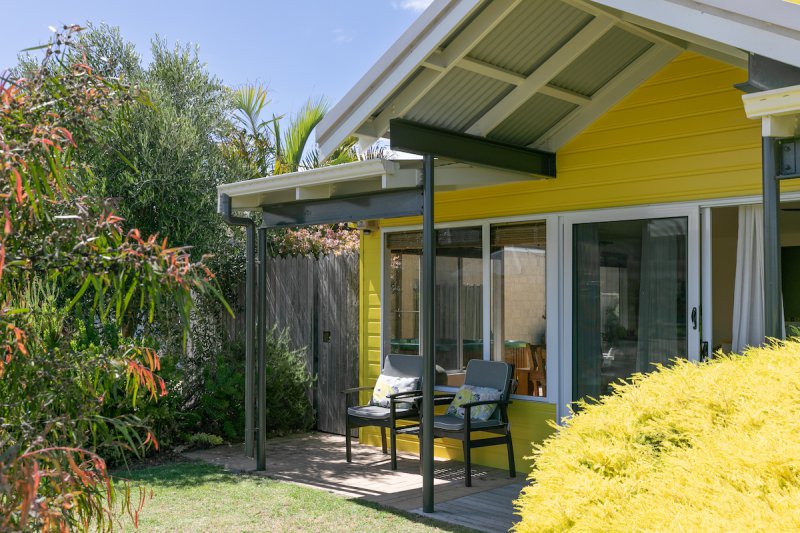
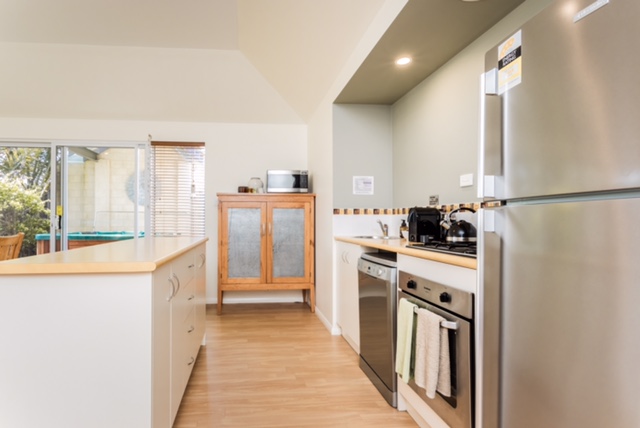
Albany is one of those rare places where every direction offers something worth capturing. The coastline is wild and expressive. The forests are ancient and textured. The skies shift from soft pastels to moody greys within minutes. Photographers searching for the best holiday home accommodation in Albany who arrive expecting a casual snapshot often find themselves completely absorbed by the visual possibilities. Whether you are working with a professional camera or the latest smartphone, the Great Southern region rewards anyone who looks closely. Staying at Ocean Mist Villa provides the perfect base to explore these landscapes with a camera, a sense of curiosity, and an appreciation for natural light.
Chasing the Gold: How Albany’s Light Transforms a Photograph
Albany has some of the most dramatic sunrise and sunset conditions in Western Australia, shaped by the geographical position of the coastline and the clarity of the air. Golden light here is softer than light in Perth because the atmosphere over the Southern Ocean is cleaner and less polluted. When the sun rises, it hits the rugged cliffs and froths of the waves at an angle that deepens shadows and enriches colour.
The key to golden hour photography in Albany is timing. The golden window is narrow, and the extreme edges of the light are often the most beautiful. Arrive at your chosen spot at least thirty minutes before sunrise or sunset. This gives you time to assess the cloud layer, read the weather, observe reflections on the water, and settle into your composition. Light changes quickly on the southern coast, and being early helps you capture that brief moment where the rocks glow with amber tones and the water turns to liquid gold. If you are planning to visit for the festivities, booking your Middleton Beach holiday accommodation early is highly recommended to ensure you are close to the foreshore events.
Essential Composition Techniques for Coastal Shots
The power of Albany’s coastline lies in contrast. Tumbling waves clash with towering granite. Pale sand meets turquoise shallows. Strong winds create movement in the foliage. Understanding these contrasts gives your photos natural drama.
Start with the rule of thirds to anchor your composition. Place the horizon line in either the upper or lower third of the frame to emphasise the sky or the water. Avoid putting the horizon directly in the centre, which often flattens the energy of the shot.
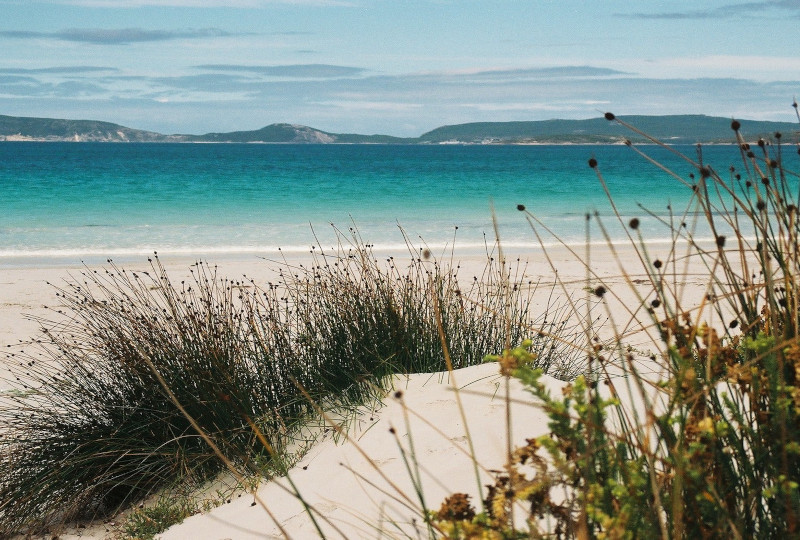
Foreground interest is crucial in Albany. Use large boulders, textured sand, driftwood, tidal pools, or wild grasses to create depth. Foreground elements help guide the viewer’s eye into the image. If you are photographing at Salmon Holes, the rocky edges provide natural shapes that lead the eye toward the waves. If you are shooting at Middleton Beach, the dune grasses form leading lines that pull you into the scene.
Reflections add another layer of interest. After rain, the granite surfaces around Albany become naturally reflective. Pools form in cracks, creating mirror-like surfaces that double the impact of the sky. Use these reflections to experiment with symmetry and contrast.
Capturing Albany’s Coastal Drama During Storm Season
Albany becomes a photographer’s playground when the weather shifts. Winter storms bring fierce wind, swelling waves, and deep grey skies. This combination creates powerful scenes that feel cinematic.
Use a fast shutter speed to freeze the spray of waves crashing against the cliffs. A shutter speed of 1/800 or faster will capture droplets in mid-air and create sharp detail. If you want to emphasise motion, slow the shutter to 1/10 or 1/20 to blur the water and turn it into sweeping white lines.
Moody skies respond well to underexposure. Reducing exposure slightly deepens the contrast between light and shadow, enhancing the atmosphere of the scene. Granite rocks become darker and more textured, clouds gain definition, and the ocean takes on a dramatic richness.
Weatherproofing is essential. Invest in a simple rain cover or use your jacket to protect the camera. Salt spray can damage lenses, so wipe your lens often and keep your camera facing away from the wind when not shooting.
Choosing Albany’s Best Locations for Landscape Photography
Albany has a diverse range of landscapes that offer unique visual qualities. Each location has its own character and photographic potential.
The Gap
The Gap offers raw power. Waves slam into the cliffs, and the roar of the ocean echoes through the air. Strong lines, deep shadows, and dramatic textures dominate this location. It is ideal for capturing energy and movement.
Natural Bridge
Natural Bridge provides softer lines and smoother transitions between shadow and highlight. The arch shape creates harmony and balance in your composition. The surrounding rock layers add dimensional detail.
Frenchman Bay
Frenchman Bay creates a completely different mood. Calm water, gentle sand, and clear reflections offer serene photographic opportunities. The scene is peaceful, with pastel blues and greens dominating the palette.
Two Peoples Bay
Two Peoples Bay offers pristine sand and rich turquoise water. Long, sweeping shoreline shots excel here. Use a wide-angle lens to capture the full expanse of the beach and the curve of the bay.
Middleton Beach
Middleton Beach is excellent for sunrise sessions. The sky lights up behind the water, and the curved shoreline guides the eye toward the horizon. The beach’s long stretch gives you room to experiment with leading lines.
Albany Wind Farm
For elevated views, head to Albany Wind Farm. The vantage point provides sweeping angles over dramatic cliffs, rolling waves, and long stretches of ocean. The size of the turbines adds scale and perspective.
Tips for Wildlife Photography Near Albany
Albany is rich in wildlife. Depending on the season, whales, dolphins, kangaroos, seabirds, and native reptiles may appear in your frame.
Whale watching season provides an opportunity to capture majestic creatures breaching or gliding near the surface. Use a telephoto lens to maximise detail. If you only have a smartphone, focus on capturing the contrast between whale movement and ocean texture.
Bird life is abundant near the coastal cliffs. Seabirds glide along the wind currents, providing beautiful movement patterns. Track their flight with a medium shutter speed to capture sharp body lines with slight wing motion.
Kangaroos appear at dusk and dawn. The soft light of these hours highlights their silhouettes. Frame them against the open sky or the rolling hills for natural storytelling.
Mastering Colour and Texture in Albany’s Landscapes
Colour plays an essential role in Albany photography. The granite cliffs exhibit earthy reds, oranges, and browns. The water shifts between sapphire blue and emerald green depending on conditions. The sky can move from steel grey to peach pink within minutes.
Use polarising filters if you have them. These filters reduce glare, deepen blues, and enrich the colours of water and sky. If you are working with a smartphone, adjust exposure manually to prevent washed-out highlights.
Texture is a major asset. Granite surfaces have visually striking cracks, grooves, and natural layers. They add depth and dimension. The sand is fine and pale, creating clean foregrounds. Waves generate foam trails that add movement and interest.
Using Natural Frames and Shadows for Creative Depth
Albany is full of natural frames that bring focus to the subject. Trees, rock formations, archways, and overhangs act as frames within your shot. Position your subject in the centre of the frame and allow the natural surroundings to border the image.
Shadows also add dimension. Early morning and late afternoon create long shadows that give structure and depth to the landscape. Shadows on the sand, cliffs, and rock formations emphasise shape and direction.
Drone Photography for Elevated Perspectives
Many parts of Albany open up dramatically from above. Drone photography offers angles that simply are not possible from ground level. Turquoise water meets white sand in sweeping curves. Granite boulders create interesting patterns from above.
Always check CASA rules and local restrictions before flying. Avoid flying near wildlife, especially seabirds, and maintain safe distances from the coastline.
Use downward facing shots to capture abstract patterns. Use angled shots for sweeping panoramic scenes. The contrast between water and land is phenomenal from the air.
Returning to Ocean Mist Villa to Review and Refine
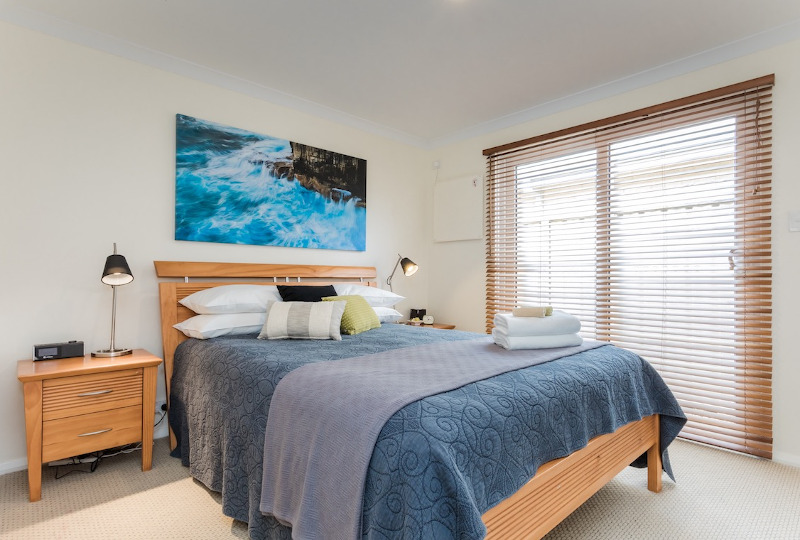
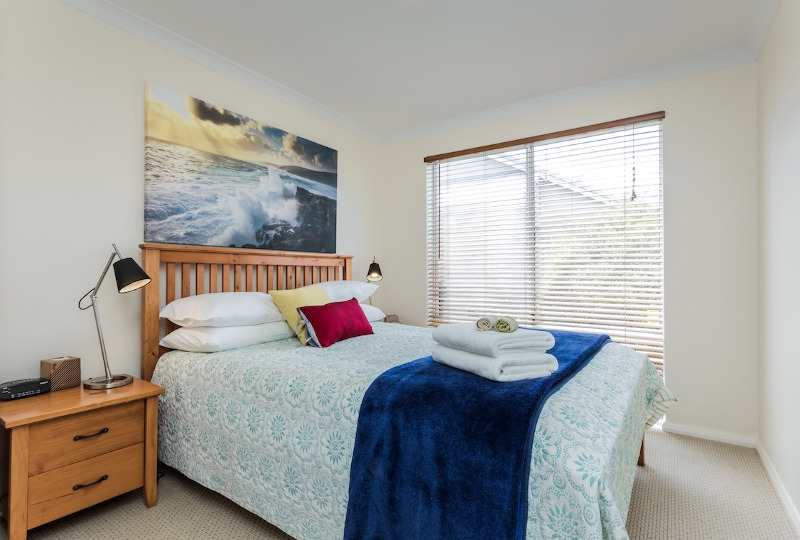
After a day of exploring, Ocean Mist Villa becomes the perfect sanctuary for reviewing your photographs. The peaceful environment gives you the clarity to sort through your images, select your favourites, and refine your storytelling.
Use the quiet hours of the evening to experiment with editing. Soft adjustments to contrast, saturation, and exposure help you retain the authenticity of Albany while enhancing visual impact. Avoid heavy filters. Let the natural beauty speak.
Photography as a Journey of Connection
Photography in Albany is not only about capturing visual scenes. It is about connection. Connection to the coastline. Connection to the sky. Connection to the wind. Connection to the rhythm of nature. Every photograph becomes a memory shaped by the unique energy of the Great Southern. Visitors leave with more than images. They leave with a deeper appreciation for the landscape and a desire to return.