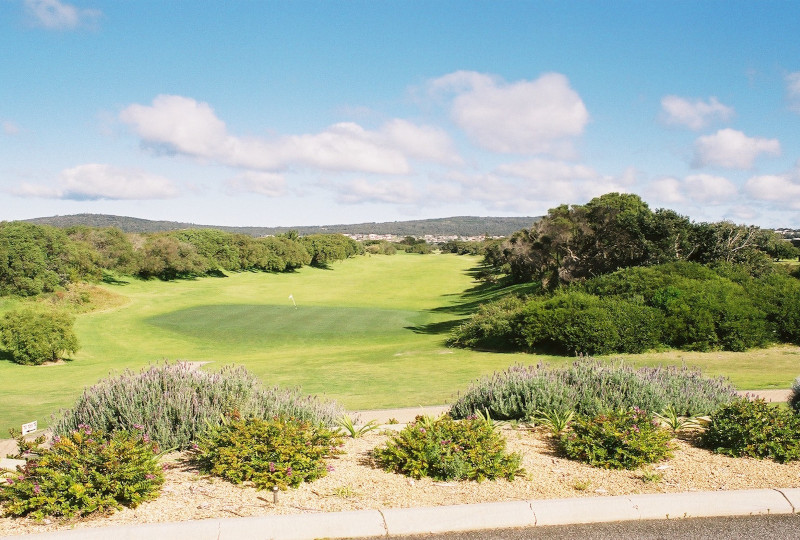
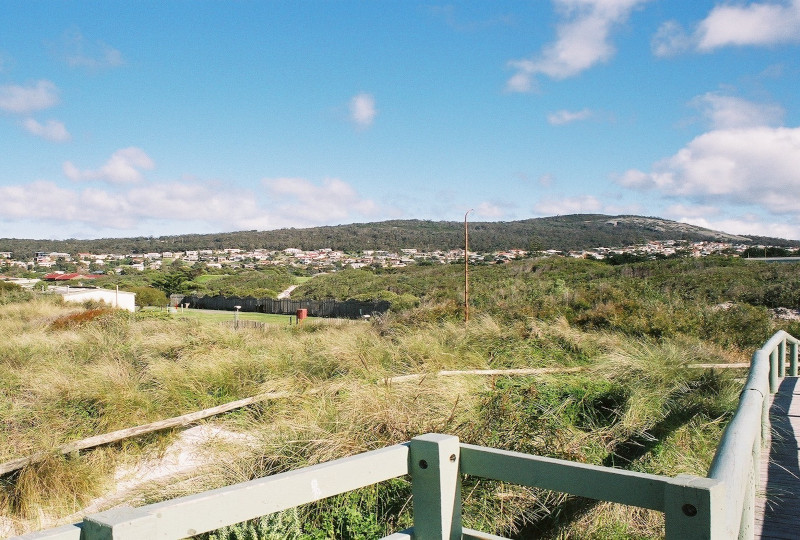
Albany is a place where the landscape itself seems to hold memory. Long before modern roads and townships, this stretch of the Great Southern coast was shaped by ancient stories, maritime triumphs and tragedies, and generations of people whose lives were inseparable from the sea. Today, Albany’s legends live on through place names, weathered headlands, quiet beaches, and tales passed down through locals. For visitors staying in the region, discovering these stories adds depth and meaning to every coastal walk and scenic lookout.
Ancient Noongar Stories and the Living Landscape
The oldest legends of Albany belong to the Noongar people, the Traditional Custodians of the land. For tens of thousands of years, Noongar stories have explained the creation of the coastline, the movement of the seasons, and humanity’s relationship with nature. These stories are not myths in the casual sense. They are cultural knowledge systems, deeply connected to land management, navigation, and survival.
Many coastal features around Albany are understood through these narratives. Headlands, granite outcrops, and waterways are said to be shaped by ancestral beings whose actions formed the land as it is seen today. Listening to these stories encourages visitors to slow down, observe carefully, and recognise that the land is alive with meaning beyond what is immediately visible.
King George Sound and the Arrival of the First Ships
Albany holds a unique place in Australian colonial history as the site of the first European settlement in Western Australia. When British ships entered King George Sound in the early nineteenth century, they were drawn by its natural harbour, sheltered waters, and strategic position. Over time, stories of early settlement blended with legend, fuelled by isolation, harsh conditions, and long sea voyages.
The harbour became known as a place of arrival and departure, hope and uncertainty. Sailors spoke of the sound as both a refuge and a reminder of how far they were from home. These early maritime stories remain embedded in Albany’s identity and are echoed in the preserved buildings, wharves, and coastal paths that still frame the town.
Shipwrecks and the Power of the Southern Ocean
Few elements have shaped Albany’s legends more than the Southern Ocean. Powerful, unpredictable, and often unforgiving, it has claimed countless ships over the centuries. Along the coastline, stories of shipwrecks are whispered into the wind, especially on stormy days when waves crash violently against the cliffs.
Many wrecks occurred during the age of sail, when vessels carrying supplies, migrants, and whaling crews navigated dangerous waters with limited technology. Some ships vanished without a trace, while others were wrecked within sight of shore. Tales of desperate survival, heroic rescues, and tragic loss became part of Albany’s collective memory.
Even today, divers and historians continue to uncover remnants of these wrecks, each discovery adding another chapter to the region’s maritime story. Walking along the coast, it is easy to imagine the tension and fear sailors once felt as they battled wind and waves near these shores.
Whaling Legends and Life on the Edge of the Sea
Whaling played a significant role in Albany’s development, and with it came a new set of legends. In the nineteenth and early twentieth centuries, Albany was one of Australia’s major whaling ports. The industry was dangerous, physically demanding, and deeply tied to the rhythms of the ocean.
Stories from this era often speak of resilience and hardship. Whalers spent months at sea, facing brutal conditions in pursuit of their catch. Tales of close calls with massive whales, storms that nearly destroyed vessels, and the camaraderie formed under extreme pressure became part of local folklore.
While whaling is now viewed through a very different ethical lens, these stories remain important for understanding Albany’s past. They reveal how dependent the town once was on the sea, and how survival often came at a high cost.
Coastal Folklore and Mysterious Encounters
Like many coastal towns, Albany has its share of unexplained tales. Locals speak of strange lights seen offshore at night, believed by some to be the spirits of lost sailors. Others tell stories of ghostly figures near old whaling stations or abandoned buildings, particularly on foggy winter evenings.
These stories are rarely written down, passed instead through conversation and shared experiences. Whether taken literally or symbolically, they reflect a deep emotional connection to place. The isolation of the coast, combined with shifting weather and long nights, creates an environment where imagination and memory easily intertwine.
Military History and Stories of Departure
Albany is forever linked to the Anzac story, as the final departure point for Australian and New Zealand troops heading to the First World War. This chapter of history carries its own legends, shaped by emotion, sacrifice, and remembrance.
Families gathered on the shoreline as ships departed, unsure if they would ever see their loved ones again. Over time, stories emerged of letters written aboard ship, final glimpses of the coast, and the shared silence that followed departure. These narratives are deeply personal yet universally felt, forming a powerful layer of Albany’s identity.
Today, memorials and lookouts overlooking the harbour invite quiet reflection. Standing there, it is easy to sense the weight of history carried by the water below.
Natural Landmarks and the Stories They Hold
Albany’s natural landmarks are inseparable from its legends. Granite formations, hidden coves, and windswept headlands each carry stories shaped by time and experience. Some are linked to Noongar creation narratives, others to colonial exploration, shipwrecks, or local heroes.
Places such as rugged coastal cliffs and secluded beaches often feel timeless. Visiting them in quieter seasons allows space to reflect on the layers of history embedded in the landscape. These locations invite visitors not just to look, but to listen and imagine.
The Role of Storytelling in Albany Today
Storytelling remains an important part of Albany’s community. Local historians, tour guides, artists, and elders continue to share the region’s stories through walking tours, exhibitions, talks, and creative works. This ongoing storytelling ensures that legends evolve rather than fade.
For visitors searching for holiday accommodation in Albany, engaging with these stories transforms a holiday into a deeper experience. It creates a connection that goes beyond scenery, offering insight into how the land and its people have shaped one another over generations.
Experiencing Albany Through Its Legends
Exploring Albany through its legends encourages a slower, more thoughtful way of travelling. Walking coastal trails, visiting historic sites, or simply sitting by the ocean becomes richer when paired with an understanding of what has come before.
Staying nearby allows time to absorb these stories naturally. Mornings can be spent exploring historic areas, afternoons walking along windswept beaches, and evenings reflecting quietly as the light fades over the harbour. This rhythm mirrors the pace at which Albany’s stories have always unfolded.
Albany’s local legends are woven into every aspect of the region, from its ancient Noongar stories to its maritime past and modern identity. They are carried by the land, the sea, and the people who continue to live and visit here.
For those seeking more than a surface-level escape, Albany offers something rare. It offers a sense of continuity, a reminder that places hold memory, and that listening to stories can deepen our connection to the world around us. In the Great Southern, legends are not confined to the past. They are alive, waiting to be discovered by those willing to look beyond the horizon.