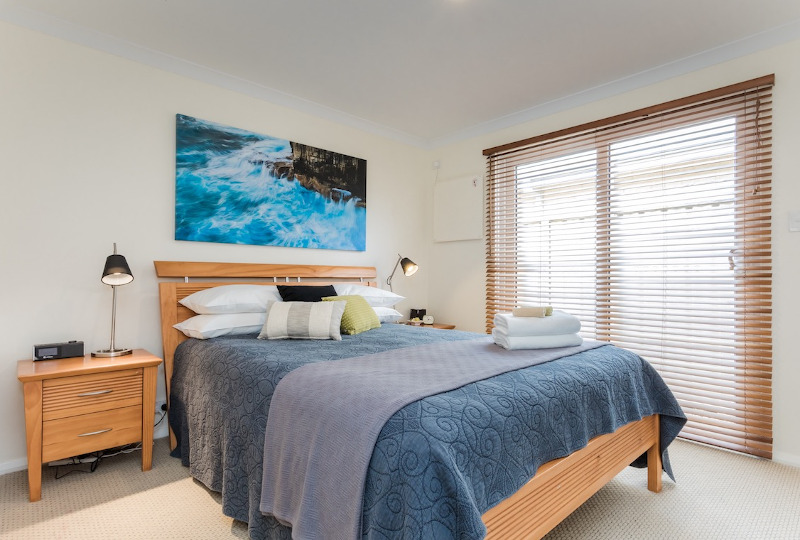
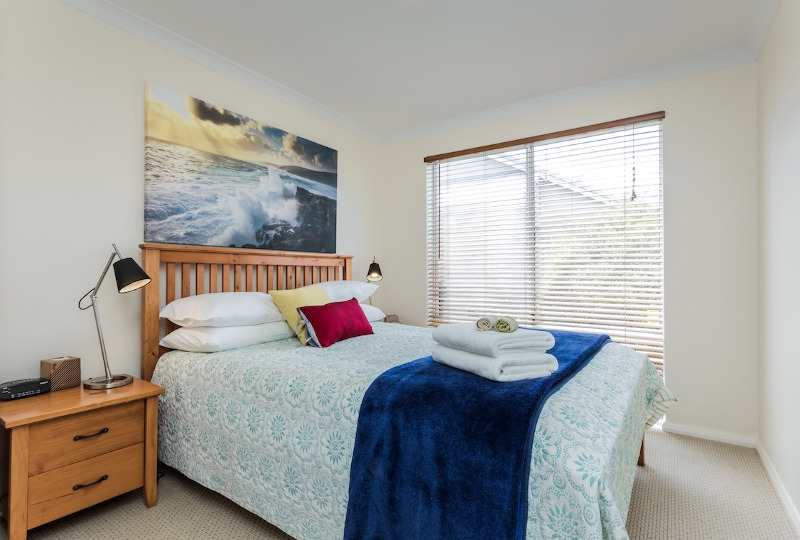
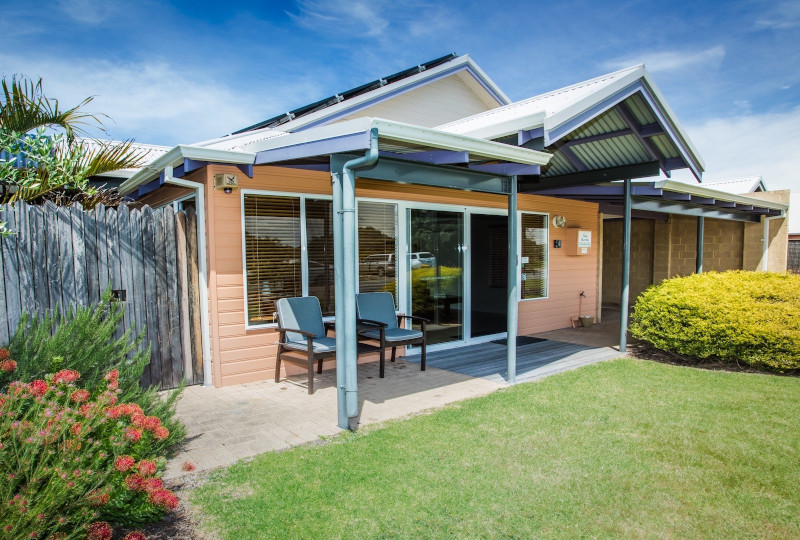
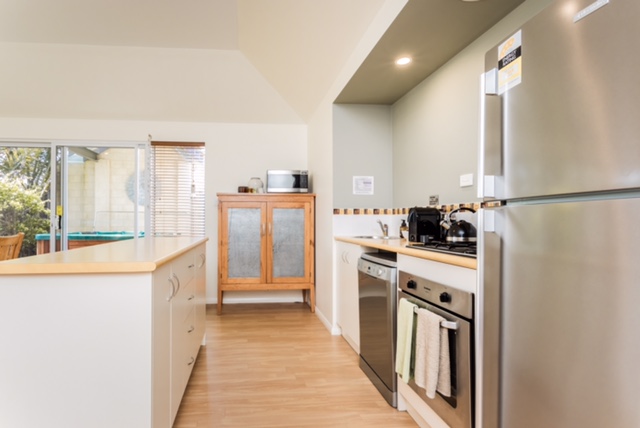
Albany has a rare mix that makes night skies feel bigger than they do in most holiday towns - ocean horizons, clean air after weather systems roll through, and a short drive to genuinely dark pockets where streetlights disappear. If you are staying at Ocean Mist Villa, you are well positioned to do stargazing in a way that feels easy, not technical: a warm layer, a thermos, a safe place to park, and a plan that keeps you away from bright lights and cliff edges after dark.
This guide is built for normal humans first. You will get practical location ideas, a simple timing framework (so you are not guessing), a quick “what am I looking at?” cheat sheet, and phone settings that actually work. If you have a camera, there is a short section for that too, but you do not need one to have a brilliant night.

What makes a good stargazing night in Albany
There are four variables that matter far more than gear.
- Moonlight: The moon is beautiful, but it washes out faint stars. The darkest skies are usually found in the days around the new moon. If the moon is up, aim to stargaze before moonrise or after moonset.
- Cloud and haze: Albany weather can turn quickly. Thin high cloud can still look “clear” but it kills detail. After a front passes, the sky can become crystal sharp.
- Wind: Wind makes the cold feel sharper and it can shake tripods. Pick a sheltered spot if it is gusty.
- Light pollution: Even a small town glow reduces contrast. A 10 to 25 minute drive away from built-up areas often makes a dramatic difference.
Milky Way viewing has its own seasonality. In the southern hemisphere, the most popular stretch is roughly autumn through spring, commonly described as April to October. In winter, nights are longer, which gives you more time to settle in and let your eyes adjust.
A simple timing framework that always works
Instead of trying to memorise astronomy jargon, use this routine.
- Arrive in twilight: Get to your viewing spot while there is still light. That means you can choose safe footing, locate hazards, and set up without rushing.
- Give your eyes time: Plan on 20 to 30 minutes for your eyes to fully adjust. Avoid looking at bright phone screens during this time.
- Aim for the dark window: If you can line up a clear night, low moonlight, and a spot away from town lights, you will be shocked by how much you can see.
A quick rule: if you can clearly see the Milky Way as a pale band, you are in business. If you only see the brightest stars and the sky looks grey, you need less moon and less light pollution.
Where to go - easy, safe spots that suit night viewing
This is not about hiking in the dark. The best stargazing is usually “short walk from the car” or “lookout with a wide horizon.” The goal is to reduce risk while still escaping light.
Here are the kinds of places that tend to work well around Albany.
Close to town - quick wins when you just want to step outside
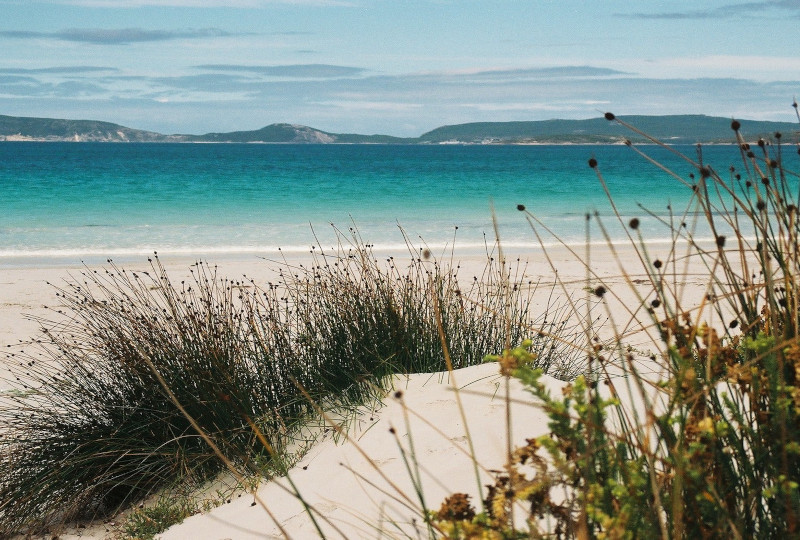
- Beach horizons: A beach gives you a clean, dark horizon line over the ocean. Middleton Beach is a convenient option when you want a low-effort night. Go later, find a darker stretch, and keep a respectful distance from the waterline in rough conditions.
- Elevated viewpoints: Higher ground can reduce the impact of nearby lights, especially if you can face away from town glow. A good example is the general area around the National Anzac Centre, where elevation and open sky can be helpful, provided you remain in safe, permitted areas and do not wander into unlit bush tracks at night.
Darker options - when you want the wow factor
- National park coastal skylines: Torndirrup National Park has dramatic horizons and big sky, but it also has cliffs, uneven ground, and powerful surf. If you do this, arrive before dark, choose a safe, fenced, stable viewing area, and treat it like a lookout visit, not a night adventure.
- Quiet rural pull-offs: If you drive out of town and find a safe roadside area with a wide paddock view and minimal traffic, skies often improve quickly. The best places are those with a clear view of the sky and no direct lights in your face.
Safety matters more at night, especially on the Albany coast. Avoid cliff edges, avoid wet rocks, stay in known areas, and if the wind is strong, do not set up near trees with loose branches.
What you can see without knowing any astronomy
Once your eyes adjust, start with obvious structure, then zoom in.
Big patterns first
- The Milky Way: On dark winter nights it can look like a pale river of light. In darker spots it gains texture, with brighter “clouds” and darker lanes.
- The Southern Cross: Easy to spot and a handy anchor for orienting yourself. Once you find it, you can use it to locate other patterns nearby.
- Bright planets: Planets do not “twinkle” as much as stars. If something is bright and steady, it is often a planet.
Then go hunting
- Star clusters: These look like small “glitter patches” where stars are tightly packed.
- Satellites: You will see slow-moving points crossing the sky. They are a reminder that you are looking through a very busy neighbourhood.
If you want to level up quickly, download a sky map app before you arrive and use it on the lowest brightness setting. The app is not the experience, it is a translator.
Meteor showers - when to look, and how to actually see them
Meteor showers are not fireworks. They are patience rewards. The best strategy is to pick a night close to the shower peak, get away from lights, lie back, and give it at least 30 to 60 minutes.
A few reliable annual showers that tend to be worth planning around include:
- Eta Aquariids (late April to May): A strong shower for southern viewers.
- Southern Delta Aquariids (late July into early August): Often produces a steady stream in dark skies.
- Orionids (October): Consistent and well-known globally.
- Geminids (December): Often one of the strongest and most impressive.
If you want exact peak nights for a given year, use a reputable meteor calendar, then work backwards to choose the clearest-looking night around that window.
Practical viewing tips that make the biggest difference:
- Face away from any light source, even a distant farmhouse.
- Look 20 to 40 degrees away from the radiant (the “origin” point) so meteors have longer trails in your view.
- Bring a ground mat or reclining chair so your neck is not doing the work.
- Treat it like a slow movie, not a quick check.
The easiest Albany night sky itinerary from Ocean Mist Villa
You do not need to do everything in one night. Build it like a holiday.
A relaxed first night - minimal driving, maximum comfort
- Eat early, check cloud cover, and set expectations: if it is hazy, make it a moon and stars night, not a Milky Way mission.
- Head to a nearby beach horizon or open-sky area.
- Spend time simply noticing: the first 10 minutes you will see a few stars, the next 20 minutes the sky “fills in.”
- Use a sky app briefly to identify two or three things, then put the phone away.
A second night - go darker for the Milky Way moment
- Choose a night closer to the new moon, or a time when the moon is not yet up.
- Drive a little further from town lights.
- Arrive in twilight, pick a safe spot, and settle in.
- Bring a thermos and an extra layer. Albany cold is sneaky because you can feel fine until you stop moving.
A third option - meteor night
- Pick the darkest practical night near a known shower window.
- Bring comfort gear and plan to stay put for at least an hour.
- Count meteors casually and enjoy the calm. The best ones arrive when you stop trying to force it.
Phone photography that works - no jargon, no disappointment
Modern phones can do surprisingly good night shots if you treat them like a camera, not a point-and-shoot.
Before you start
- Clean the lens. Fingerprints ruin night photos fast.
- Stabilise the phone. A tripod is ideal. If you do not have one, wedge it on a rock, a backpack, or a rolled-up jumper.
- Turn off the flash. Always.
Simple settings and habits
- Use Night Mode if your phone has it, and let it run the full exposure time.
- Tap and hold to lock focus if your phone allows it, then slightly lower exposure so the sky does not turn grey.
- Use a timer (2 to 5 seconds) to avoid shaking the phone when you press the button.
- Take multiple shots. Night photography is variable, and one will usually be sharper.
Composition tips that make your photos look intentional
- Include a foreground silhouette (a dune line, a tree shape, a rock formation) so the image has depth.
- Keep the horizon straight. The ocean makes tilt obvious.
- Avoid placing bright lights in-frame. They blow out and reduce contrast everywhere else.
If you have a camera - a simple starting point
You can get excellent results with a basic wide-angle lens and a tripod.
A solid beginner baseline:
- Shoot RAW if you know how to edit, otherwise high-quality JPEG is fine.
- Use a wide aperture (often f/2 to f/2.8 if available).
- Start around 10 to 20 seconds exposure, then adjust.
- Increase ISO only as needed. Noise is better than a blurred image, but you do not need to go extreme.
- Manual focus is your friend: focus on a bright star, zoom in on the screen, and make it as sharp as possible.
If wind is an issue, lower the tripod, hang weight from it, and shoot shorter exposures.
Comfort, safety, and etiquette - the part people forget
A great stargazing night is comfortable, safe, and respectful.
Pack like you are going to sit still
- Warm layer, beanie, and windproof outer
- Mat or chair, thermos, snack
- Red torch or red phone filter (red preserves night vision)
- Insect repellent in warmer months
Be smart about location
- Arrive before dark if the spot is unfamiliar.
- Avoid cliffs, wet rocks, and unlit trails.
- Do not trespass onto private property.
- Keep noise low. Night carries sound.
If you want to go deeper, joining a local community is the fastest way to learn. Local astronomy groups and stargazing clubs often run events and can help you understand what is visible and when.
The takeaway - make it simple, then make it special
The secret to stargazing in Albany is not expensive equipment. It is timing, darkness, and a safe horizon. Start with an explainable plan: pick a clearer night, reduce moonlight, drive a little away from town glow, and give your eyes time. Once you have that first Milky Way moment, you will understand why people travel for night skies.